
This case study focused on developing a culturally responsive educational strategy to help prevent substance abuse in rural American communities. Designed for students, educators, parents, and community leaders, the project addressed barriers such as limited access to healthcare and educational resources, the need for multi-stakeholder collaboration, and the distinct values of rural communities. The final proposal included targeted instructional strategies, audience needs assessments, content delivery plans, measurable evaluation methods, and implementation timelines.
Categories
Addressing substance abuse in rural American communities requires efforts on many fronts. As educators, we have an opportunity to provide access to information about the obstacles to positive change and the behaviors that can move us in the right direction. We have an opportunity to connect with individuals and connect individuals with each other to begin building an infrastructure that will counteract the negative effects of substance use and improve the quality of life in rural communities.
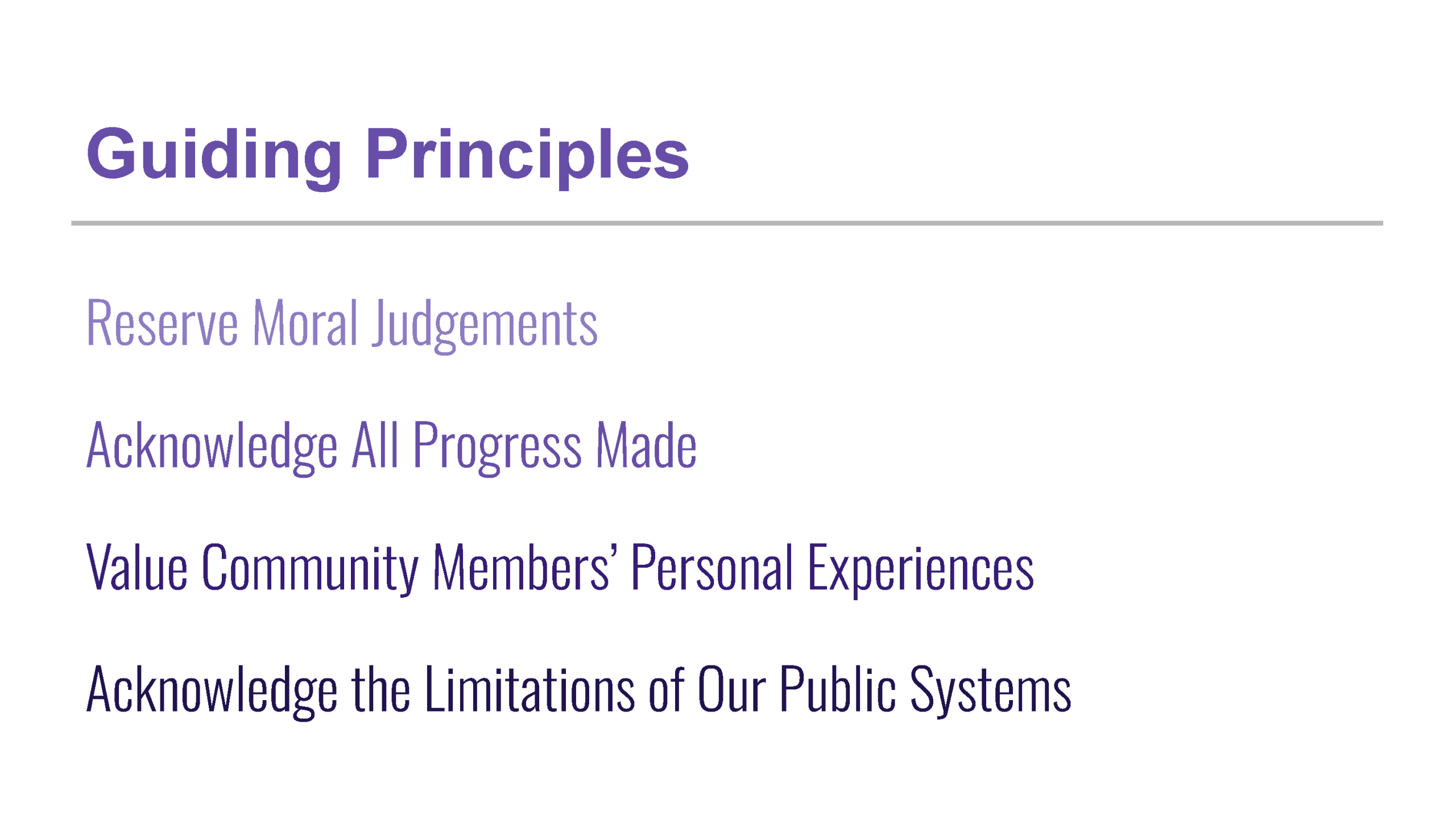
A few guiding principles will help us embrace these opportunities while staying focused on the wellbeing of our community members. We will reserve any moral judgement about substance use, and view this as a problem we all face together. We will acknowledge all progress made and remember that this is a complex, long-standing problem that will not be solved overnight. We will welcome and value the life experiences (good and bad) of our community members. We will listen to their feedback with curiosity and respect. We will acknowledge that our public systems are not perfect and that institutional inequities are real and harmful. We will learn with and from each other.
We face a number of challenges in our efforts.
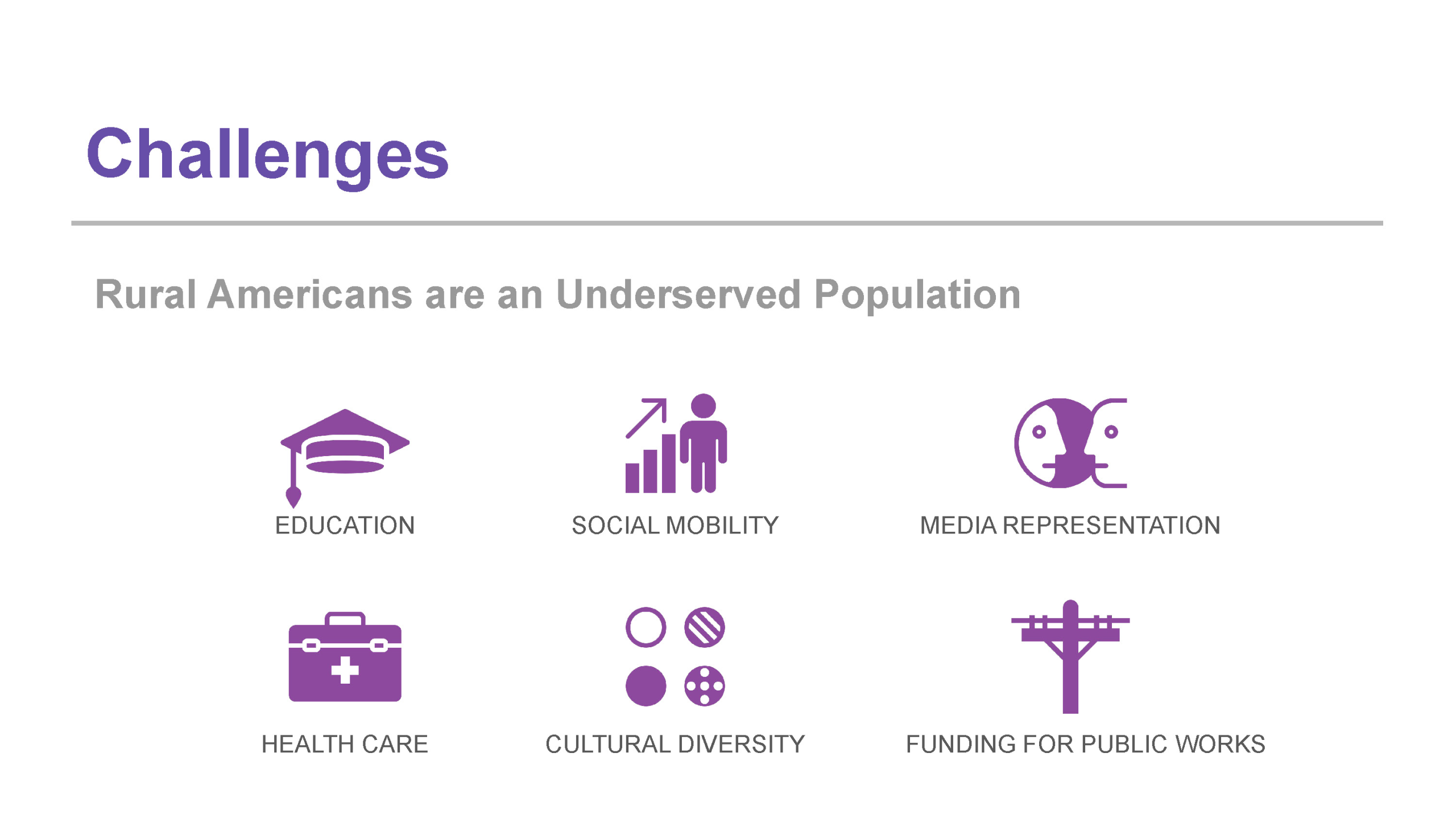
Our first compounding factor is that rural Americans are an underserved population. Communities struggle to attain education, health care, social mobility, cultural diversity, media representation, and funding for public works. As such, they may have predispositions to law enforcement, academic authority, and anyone from outside their community. And those predispositions are most likely valid. We will need to work hard to earn their trust and truly work collaboratively in their best interests.
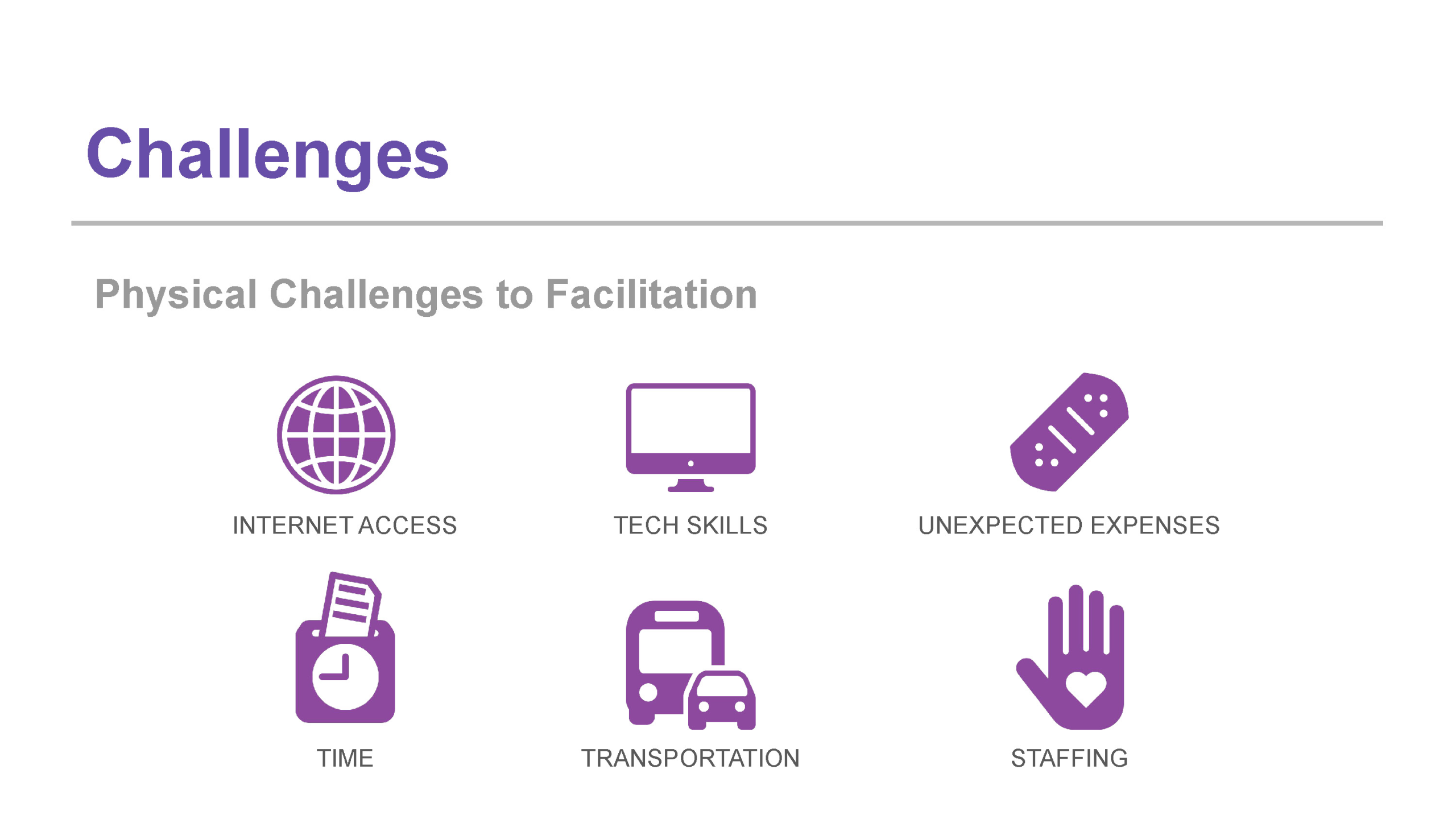
There are also obstacles to the physical delivery of information. We may encounter a lack of internet access and poor connectivity. Our community members may not have access to or experience with electronic devices or software programs through which we might like to deliver information. We may find that we’ve made assumptions about the availability of certain resources and need additional funding. Our community members may not have the time or transportation to engage in in-person activities. Efforts toward the prevention of substance abuse often face difficulty in filling counselor positions – they are not well paid, have long hours, and are not highly respected nor located in desirable locations. Location also poses challenges associated with privacy – small towns where everyone knows each other – and dispersion – no immediate access to a social support system.
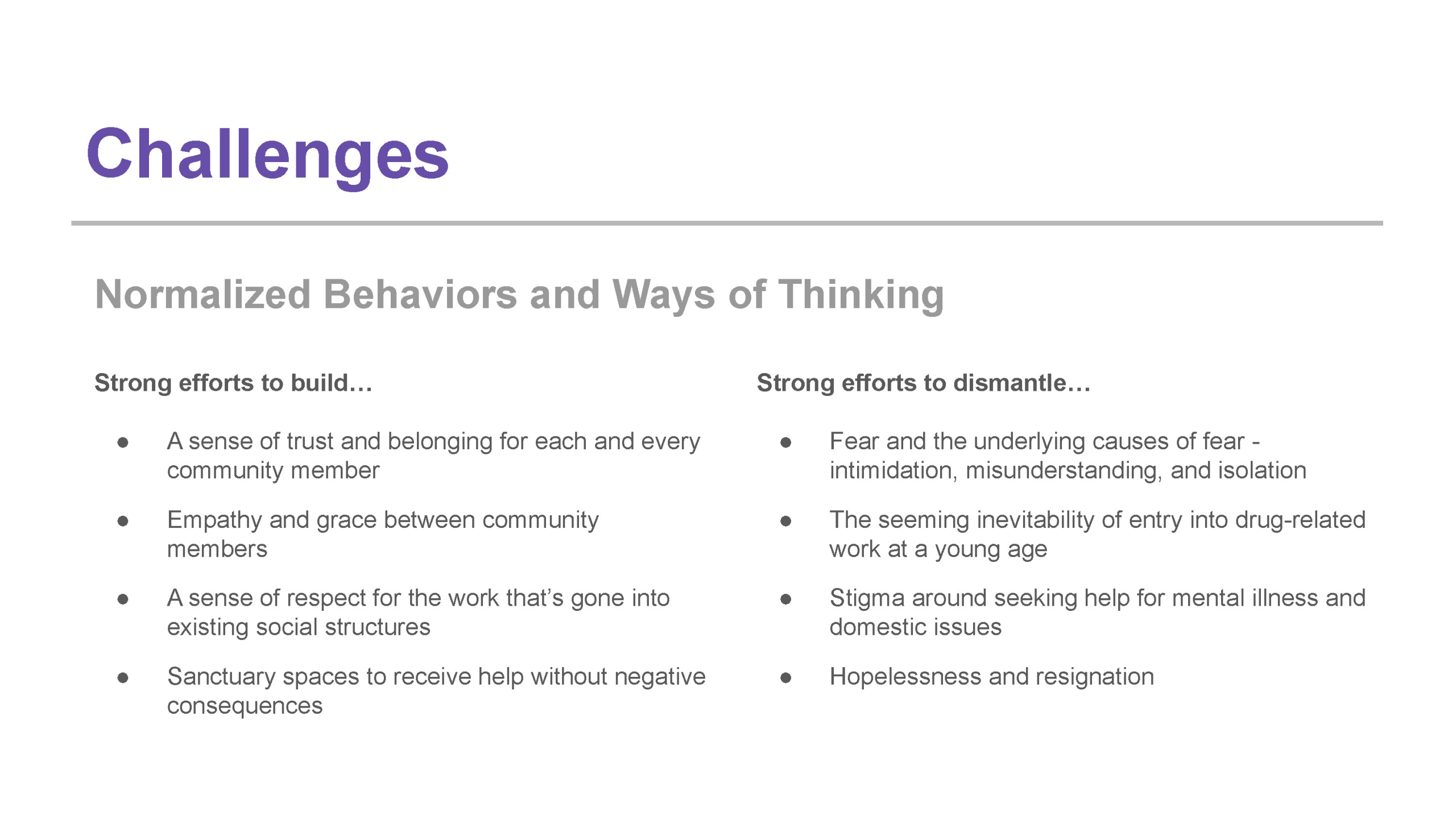
We acknowledge that we are entering communities that need revitalization. A consistent and genuine sense of belonging will be needed for our members to be open to new ways of thinking. We will need to ask them to believe there is something better, though they may have never experienced it. We will need to encourage them to break cycles and reflect on deeply personal issues. We will need to acknowledge that for some, drugs are a way of life and have been for generations – they are a source of income and power that we are essentially taking away. We need to show them how to build back what we are asking them to turn away from.
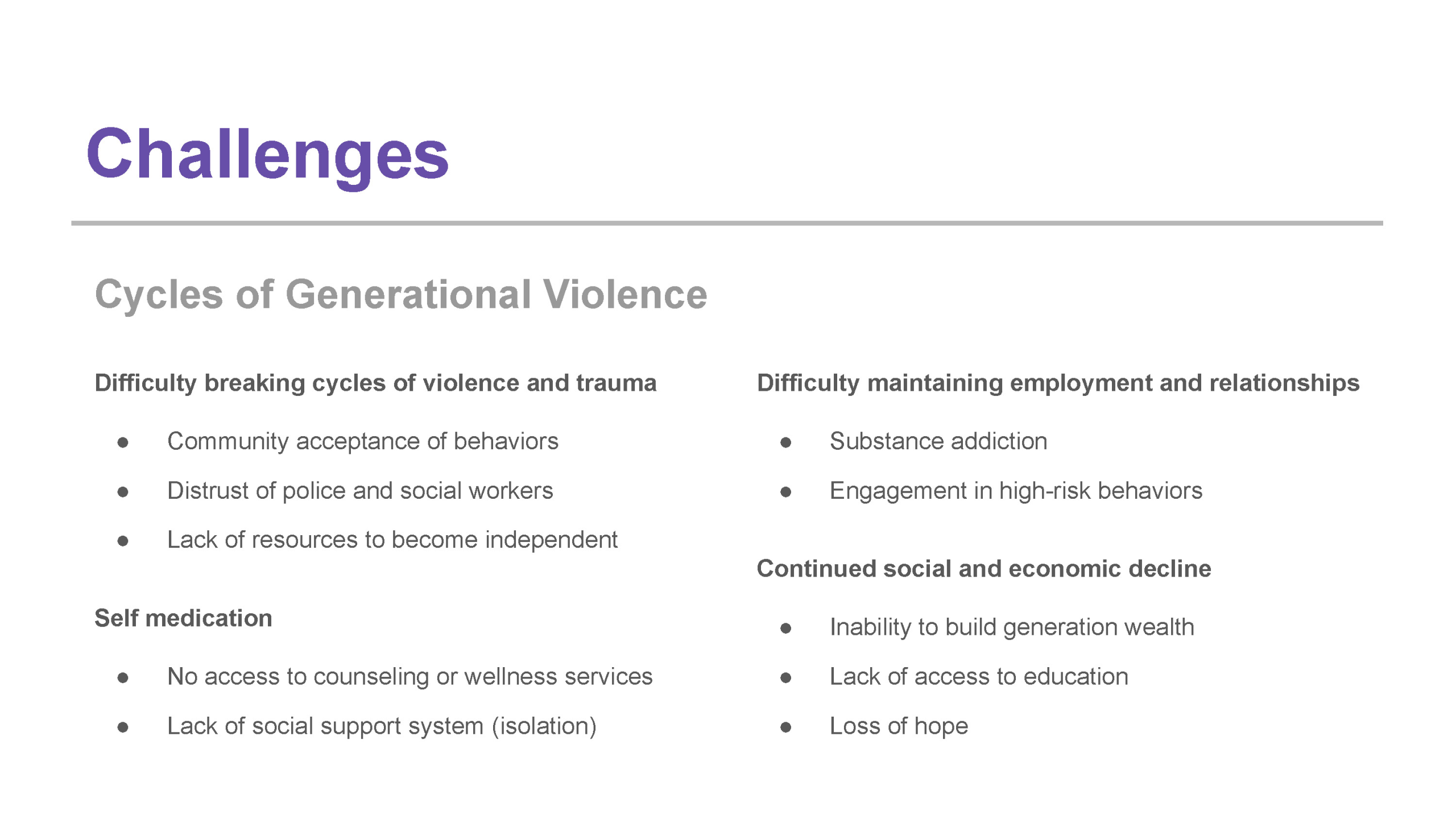
Rural counties have higher rates of domestic violence and higher rates of the severity of domestic violence, which can be exacerbated by the altered mental state brought on by substance use. Women who experience domestic violence are more likely to develop substance use problems in attempts to cope with their situations. There are many serious and lifelong effects of familial violence and substance abuse on children.
A cycle of generational violence is created – substance use causes volatility, which increases the incidence and severity of domestic violence, which leads to long-term physical and psychological difficulties, which leads – again – to substance use.
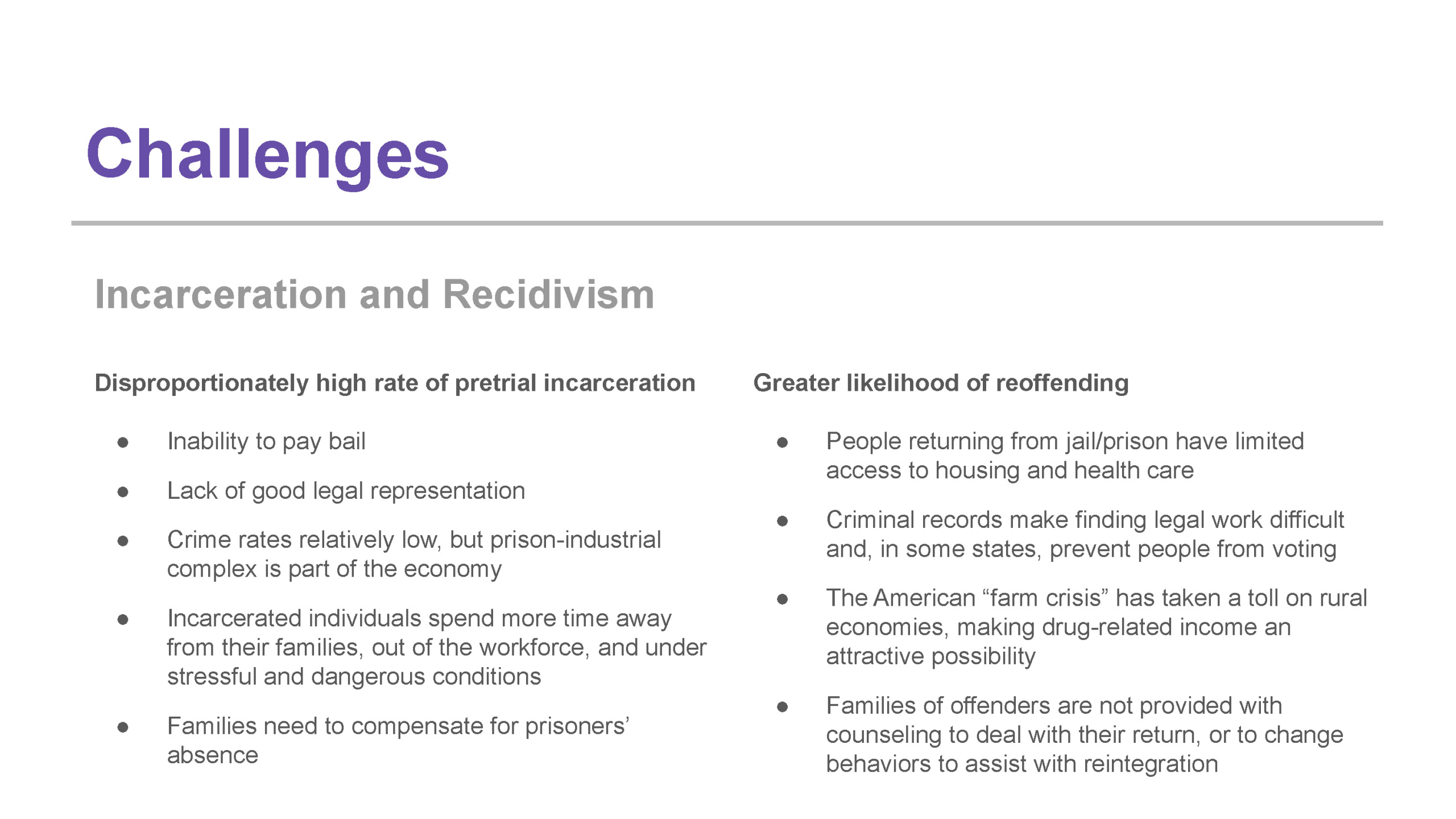
Rural counties have a disproportionately high rate of pre trial incarceration. While waiting for trial, accused individuals are held in custody unless or until they can post an amount of bail determined by a judge.
Because people in rural areas have limited resources and limited access to legal representation, they are very often detained for longer-than-average periods of time outside the workforce, away from family, in a traumatic environment, under prolonged stress.
People returning from jail or prison have a hard time accessing affordable housing and health care. Their families may have faced hardship while they were incarcerated, and may have difficulty adjusting to changing family dynamics and emerging needs of their returning family member.
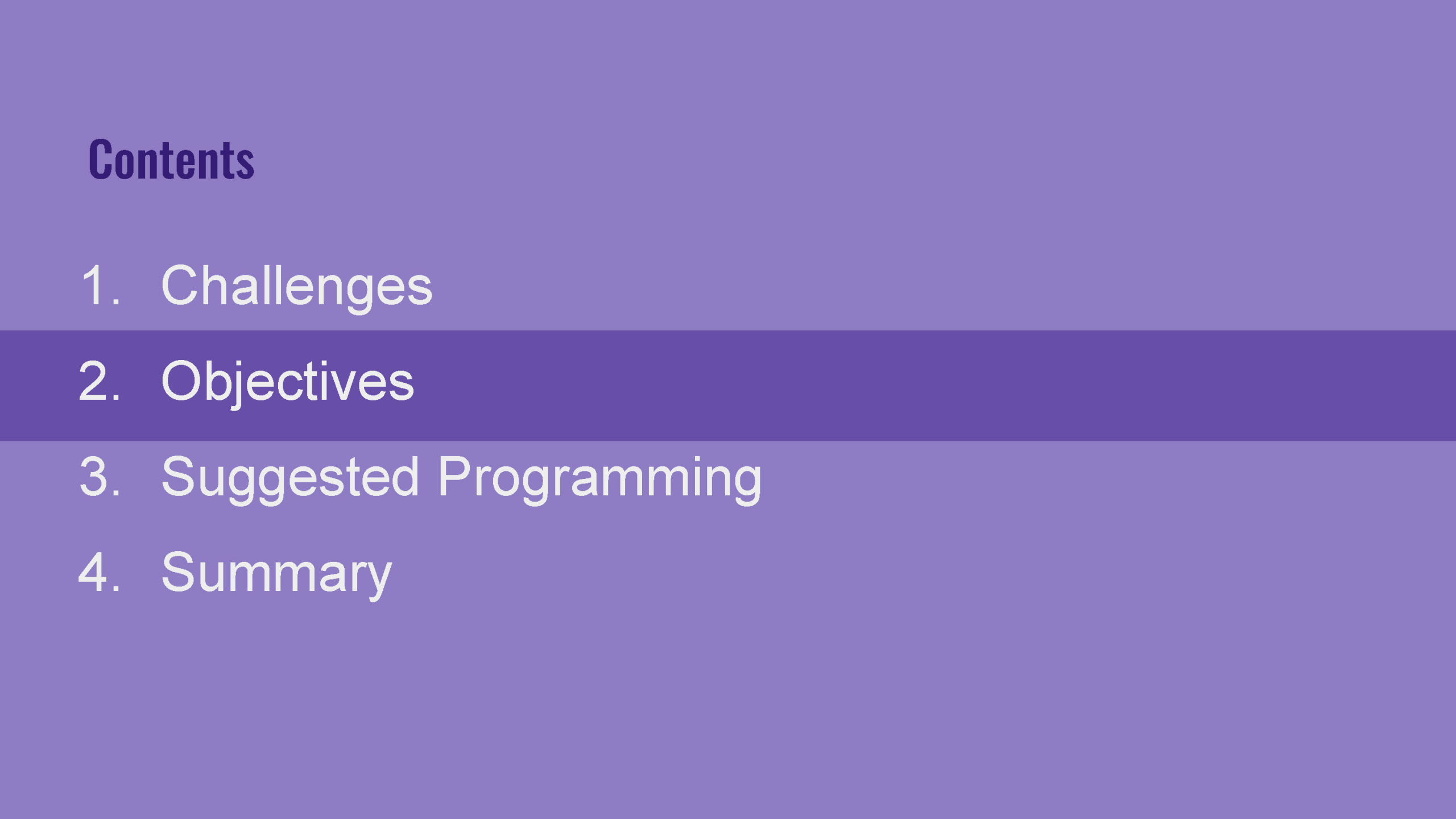
Our three main objectives are increasing awareness, building life skills, and engaging the community.
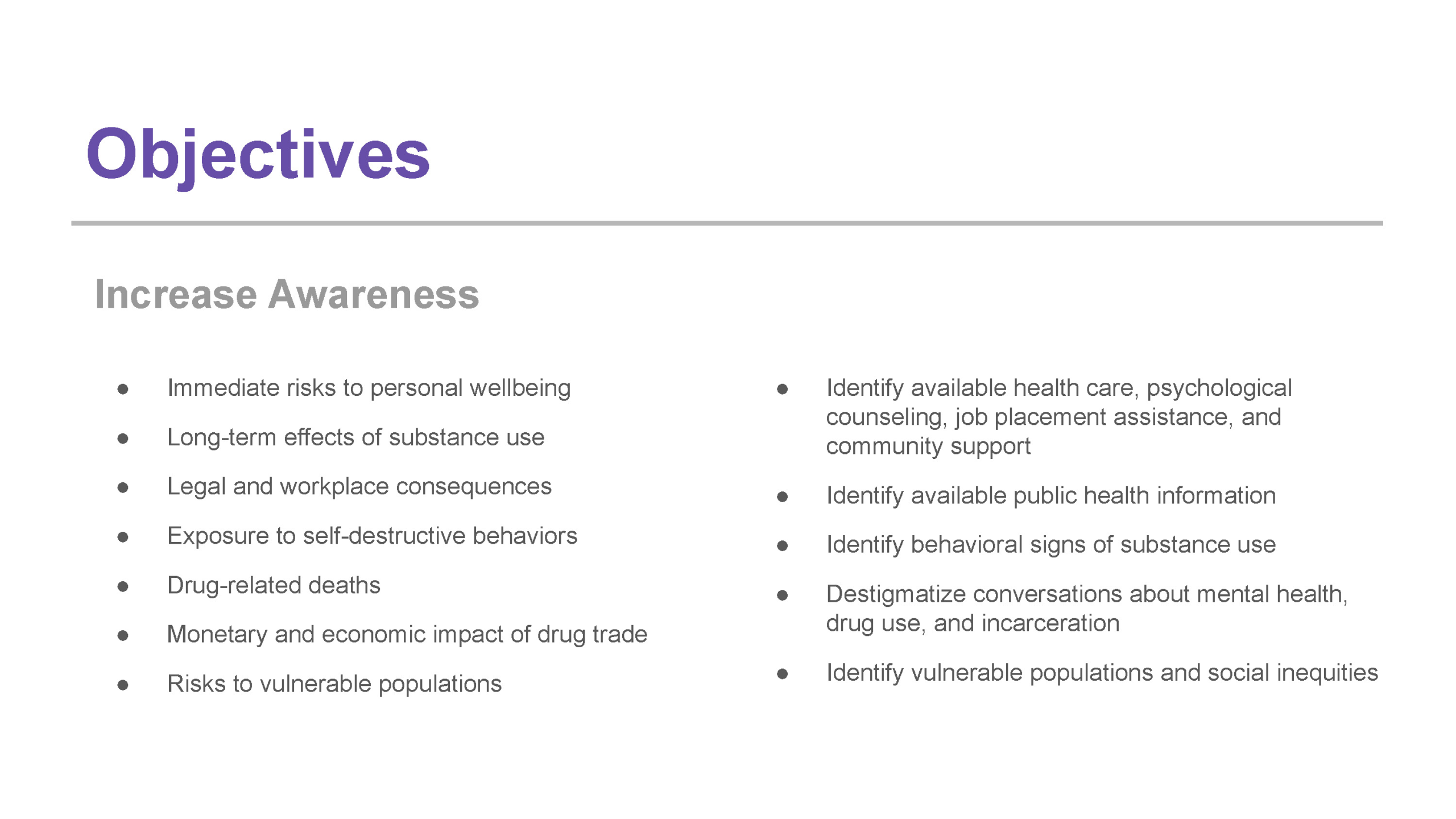
To increase awareness, we will educate the community about the risks and consequences of substance abuse, the scale and pervasiveness of drug use in the community and the country, the services available to help those in need, and the ways that individuals can take action to help while emphasizing the unique challenges faced by residents rural areas.
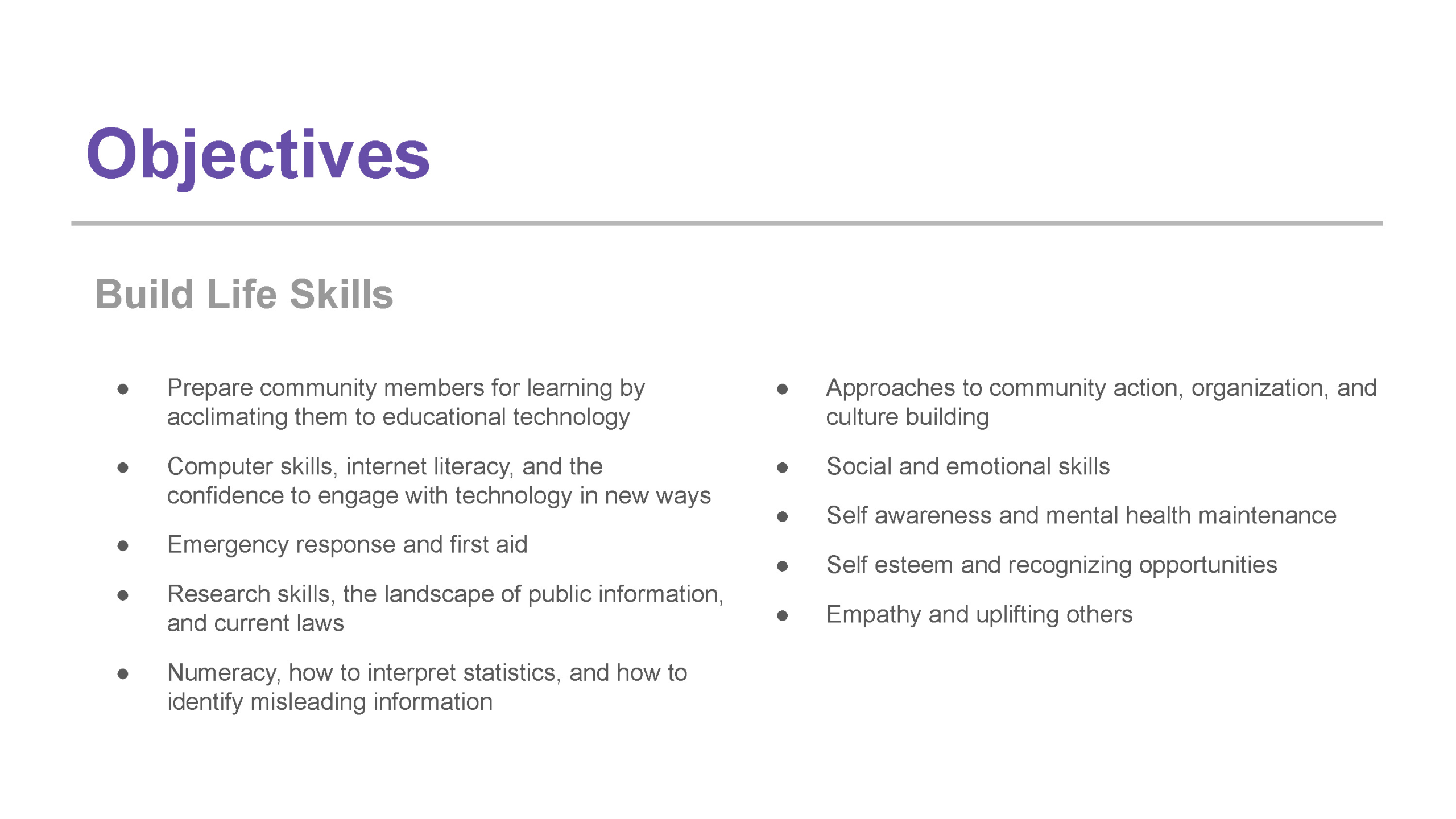
We will help our students build life skills to instill confidence, facilitate communication and social organization, encourage resilience and persistence, and care for themselves in both the short and long term.
Beginning with an introduction to educational technology and fundamental computer skills, we will offer specialized training in emergency response and first aid, the science of drug use and its effects on the body, public internet research and data interpretation, self-awareness and mental health maintenance, citizens’ rights, and community organization and action.
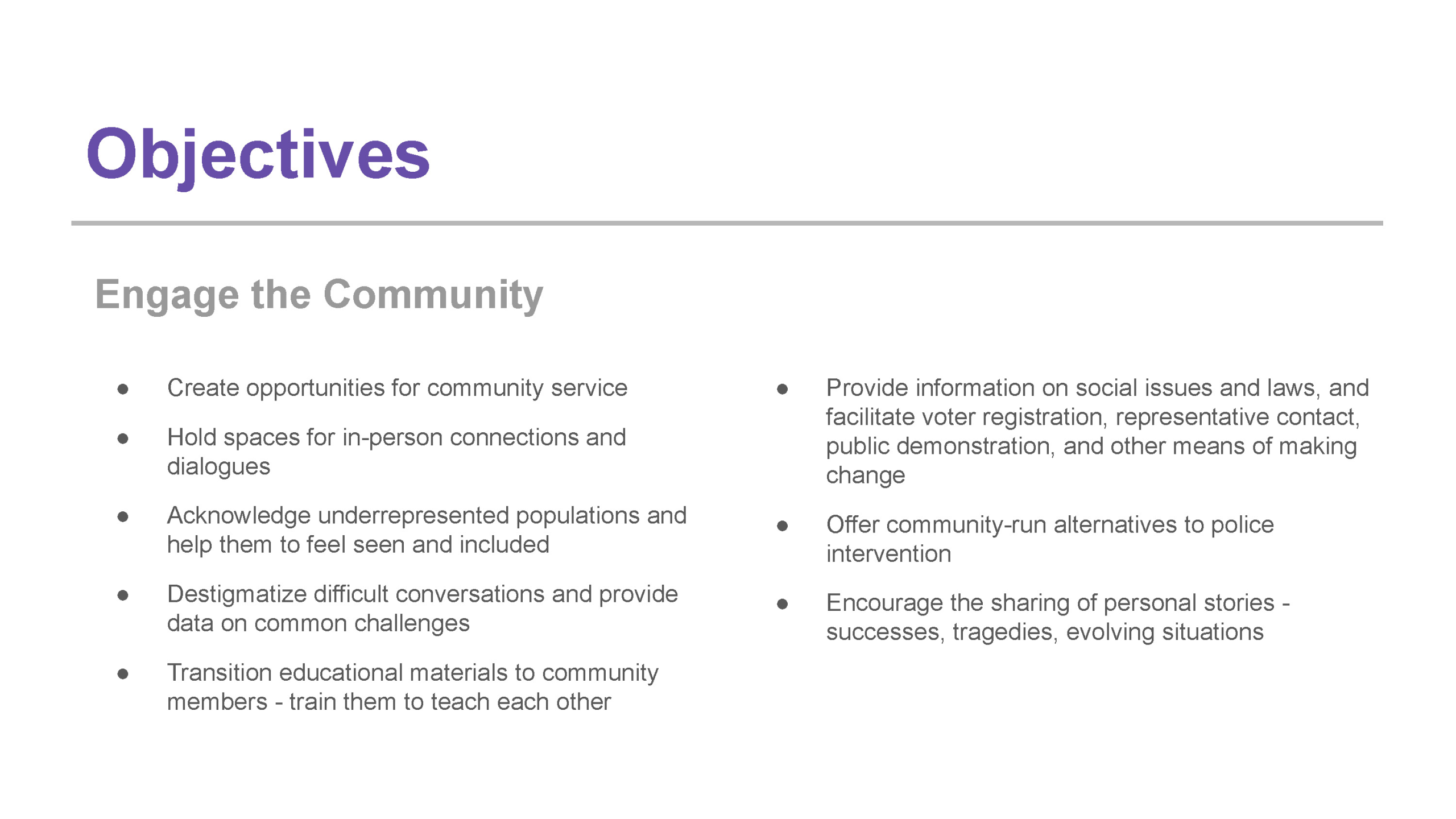
We will develop and foster systems for community engagement. Whether creating new opportunities or reinvigorating existing practices, we will encourage community members to reach out to one another. By sharing information about common challenges and civic movements, we will remove barriers to connection and communication. We will start conversations and amplify messages about public health and wellness.
We plan to implement several kinds of educational programming in order to work toward our objectives.
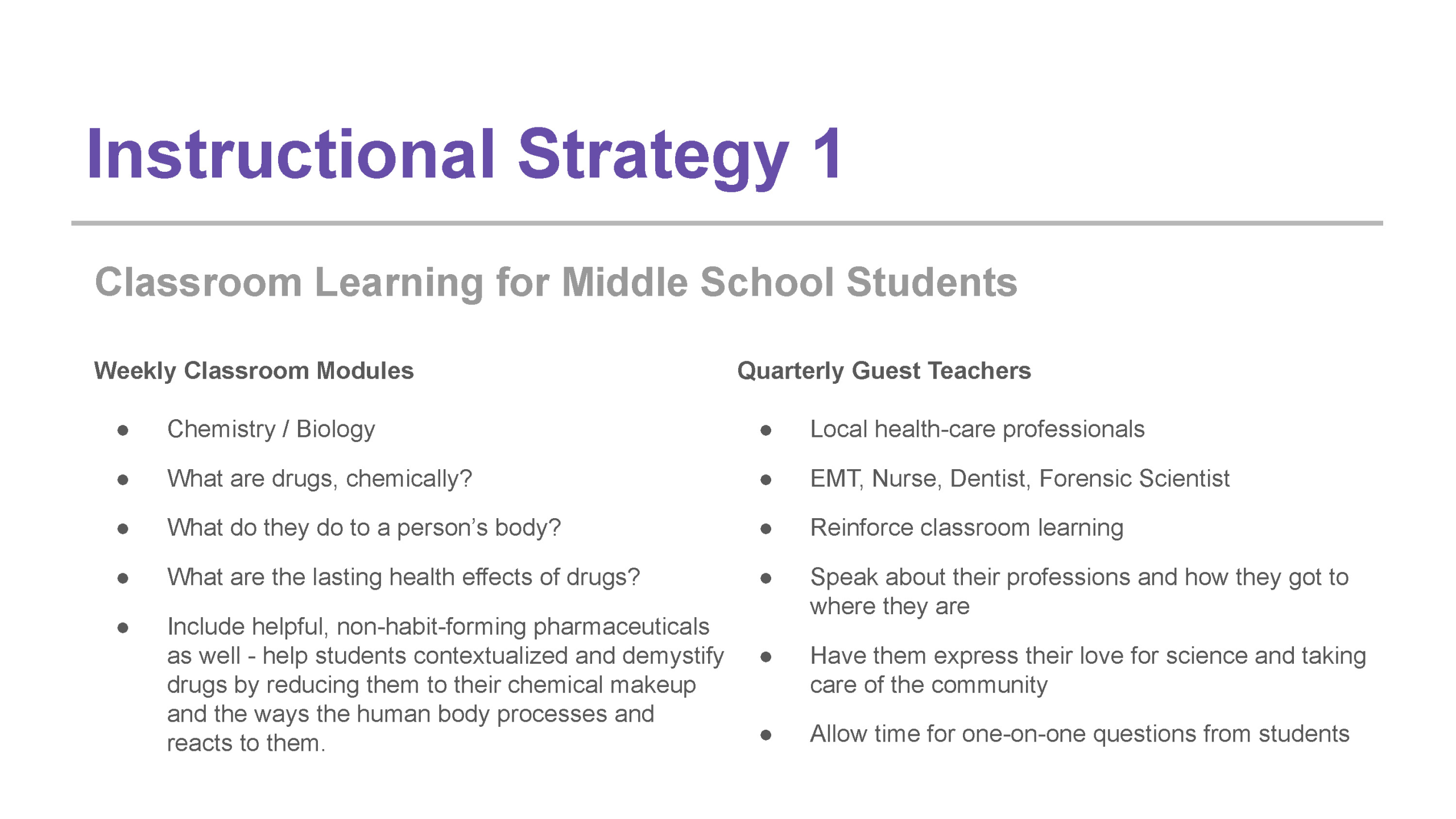
We will offer programming to children beginning in 7th grade. We propose that classroom learning is most appropriate for children at this age. They will have an adult presence as well as the support of their classmates as they approach empirical concepts relating to the science of drugs. This program will be associated with existing chemistry or biology classes. It will contextualize recreational drugs, misused prescription medicine, natural medicines, and non habit forming pharmaceuticals and explain their effects on human biology. The impetus behind this matter-of-fact foundation is a demystification of drugs – presenting them simply as variations of benign substances that cause short and long term damage to the human body. It will also help students understand medical pharmaceuticals and develop their health-related vocabulary.
Secondarily, we propose that guest teachers in the community’s health-care industry come into the classroom to speak about their careers, celebrate science education, answer questions, and present a relatable human face of a health-care provider.
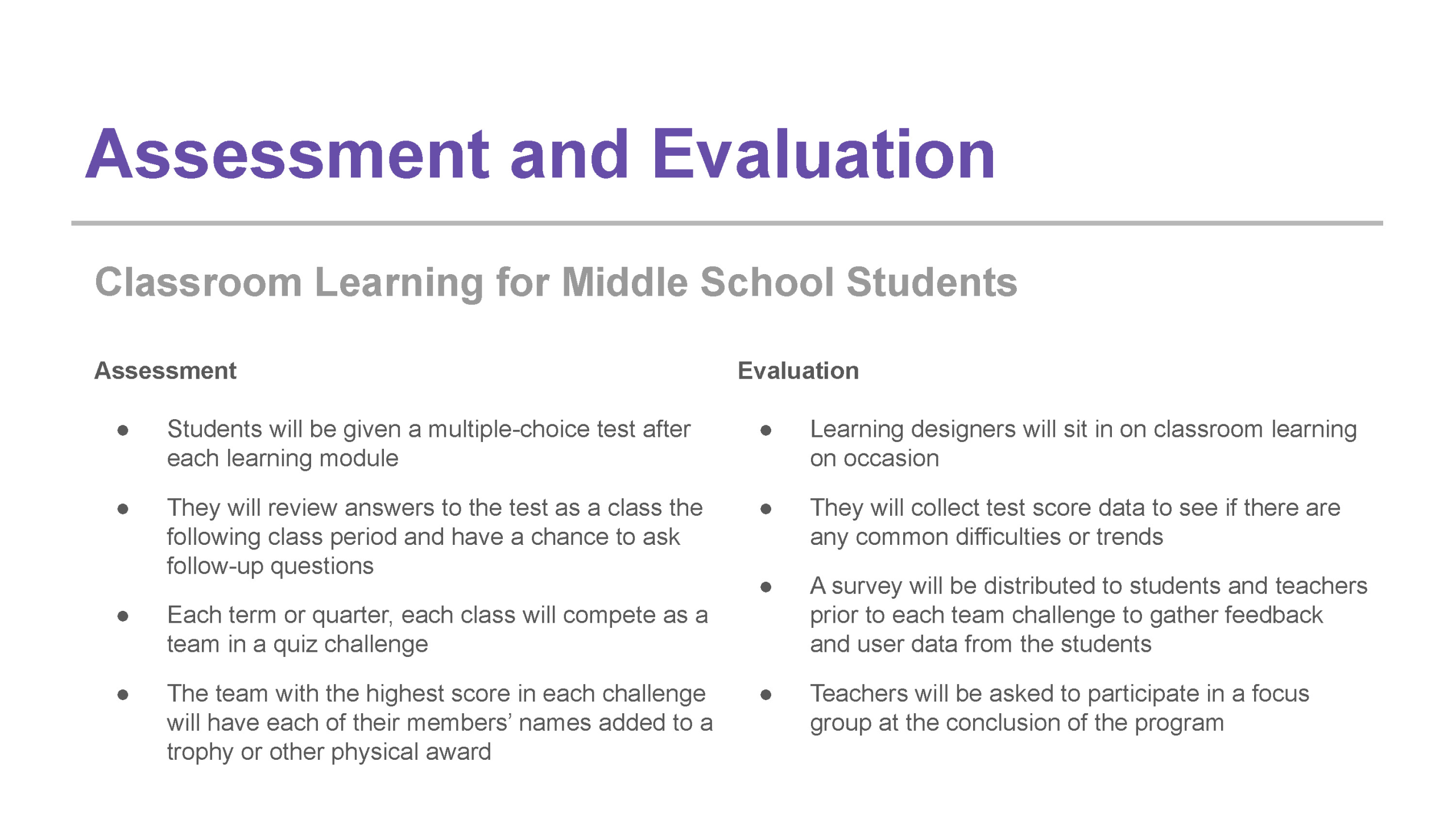
Student learning will be assessed individually and in groups. There will be multiple-choice tests after each module that will be reviewed in a group discussion. To create excitement around learning, there will be quarterly team quiz challenges in a game show format.
To evaluate the efficacy of this programming, learning designers will occasionally observe classroom learning. Test scores will be considered as well as survey results and focus group feedback.
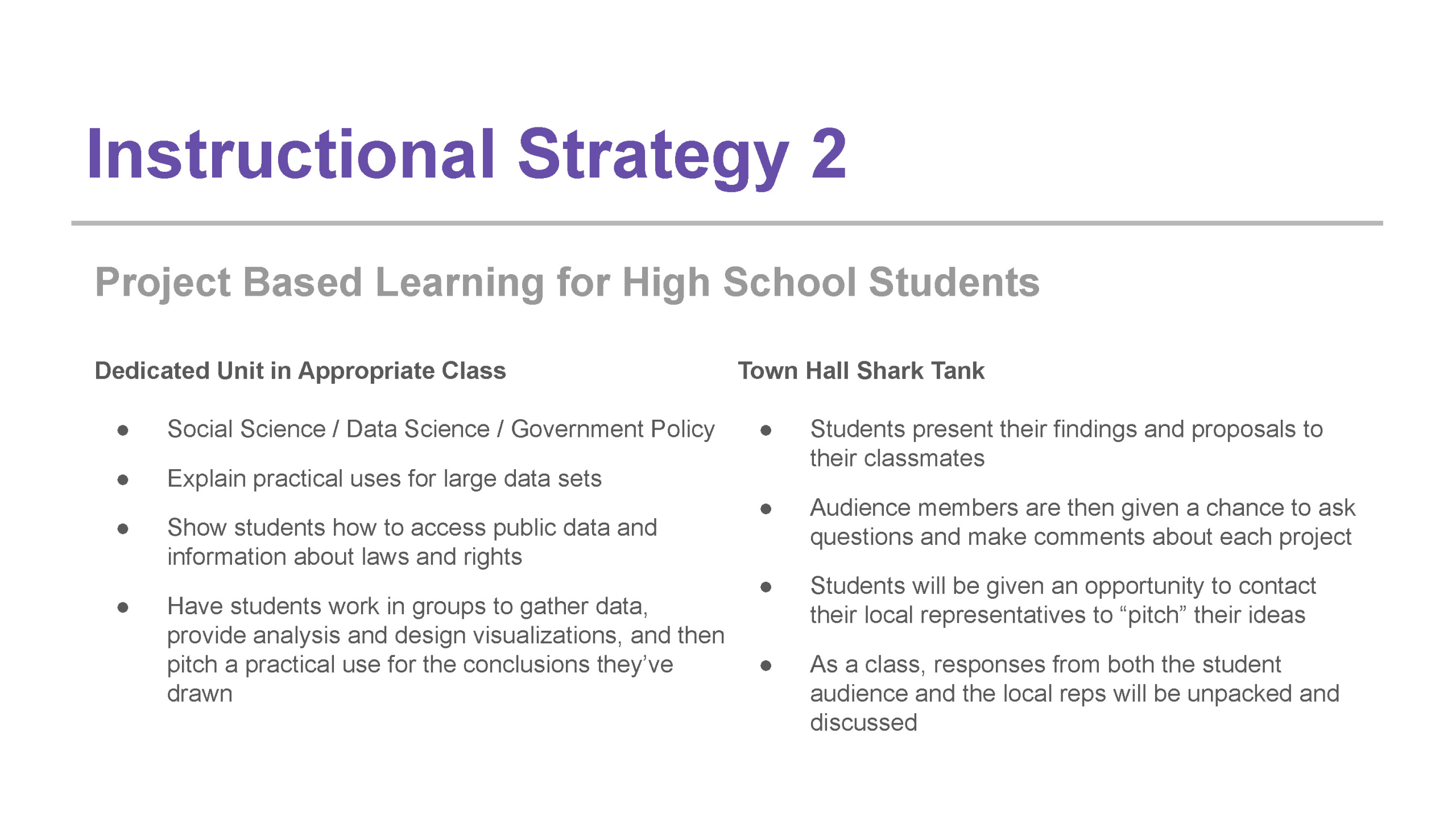
For high school students, we will implement project-based learning that focuses on the available data related to substance abuse, health and health care, government policies, and social services. Students will learn how to gather trustworthy data and analyze data sets to answer questions about the efficacy of laws and public programs.
Students will work in groups, experiencing what it’s like to work on a team with colleagues. They will be assigned a few conceptually related data sets and asked to create visualizations, provide an analysis of patterns and trends, and propose a practical application for this data. Do they feel that a policy change is warranted? Do they feel that resources should be reallocated? Do they feel that civic action, protest, or grassroots organization is needed?
Students will prepare presentations with their groups, which they will deliver to their classmates in a town hall meeting. The student audience will be given a chance to ask questions and make comments. Students will also have the opportunity to contact local representatives (relevant to their presentation topics) and pitch their ideas. This will not only give them experience contacting public officials, it will empower them as members of the community who have the power of civic action and community support behind them.
Their classroom teachers will help them unpack the responses they receive from both students and representatives and lead discussions about what could have been done differently or what next steps might be taken.
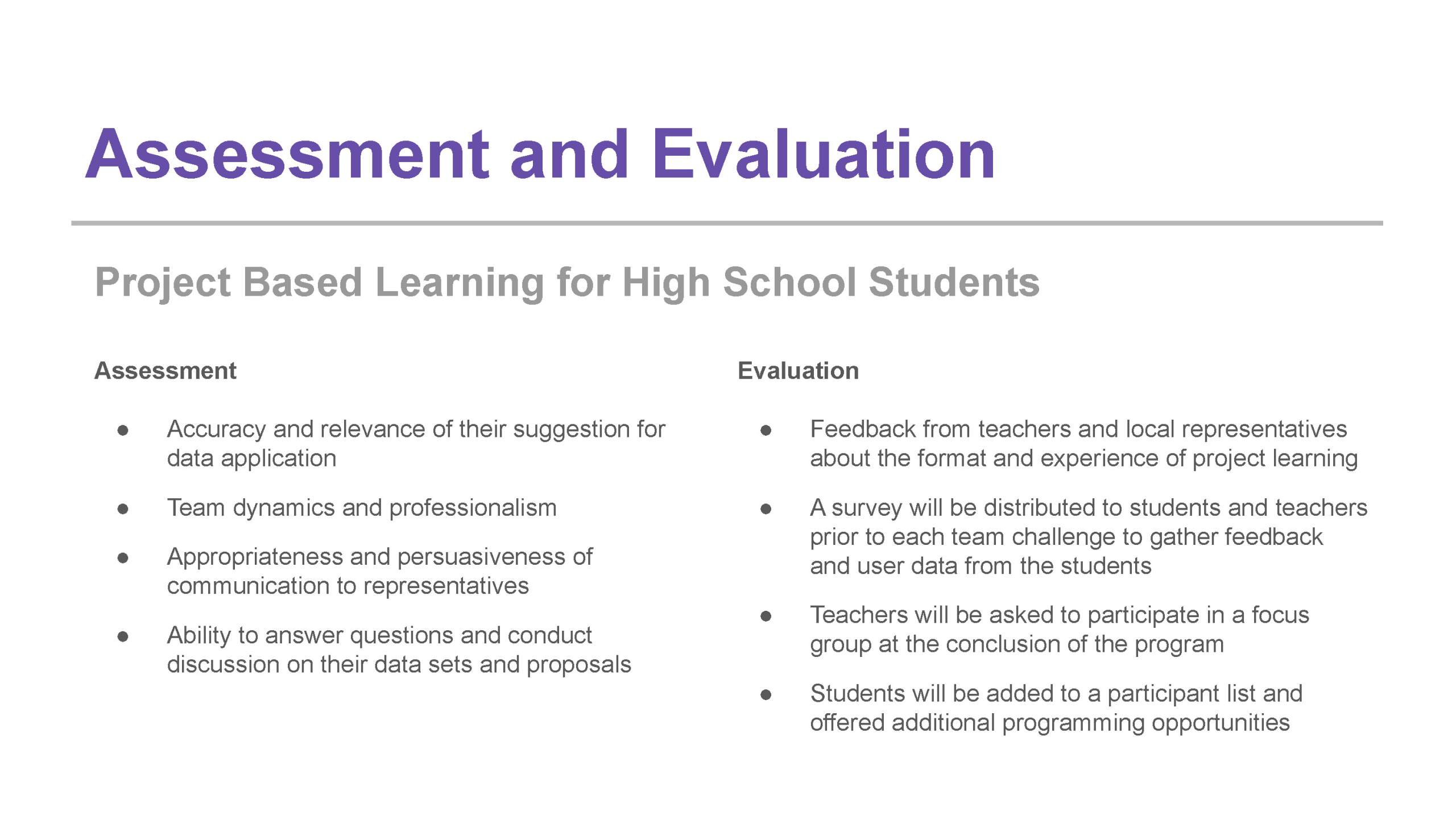
Student learning will be assessed qualitatively by examining both the relevance and accuracy of the teams’ presentation and the dynamics and professionalism of the teams during project work. They will receive critical feedback from their classmates as well as the local representatives they will have contacted. Student should be able to engage in meaningful conversation about their data and its application.
The program will be evaluated through participant feedback from students, teachers, and representatives. Both surveys and focus groups regarding both the experience and end product will be conducted. We will also offer additional programming opportunities and informative content via email and track the rate of continued elective involvement.
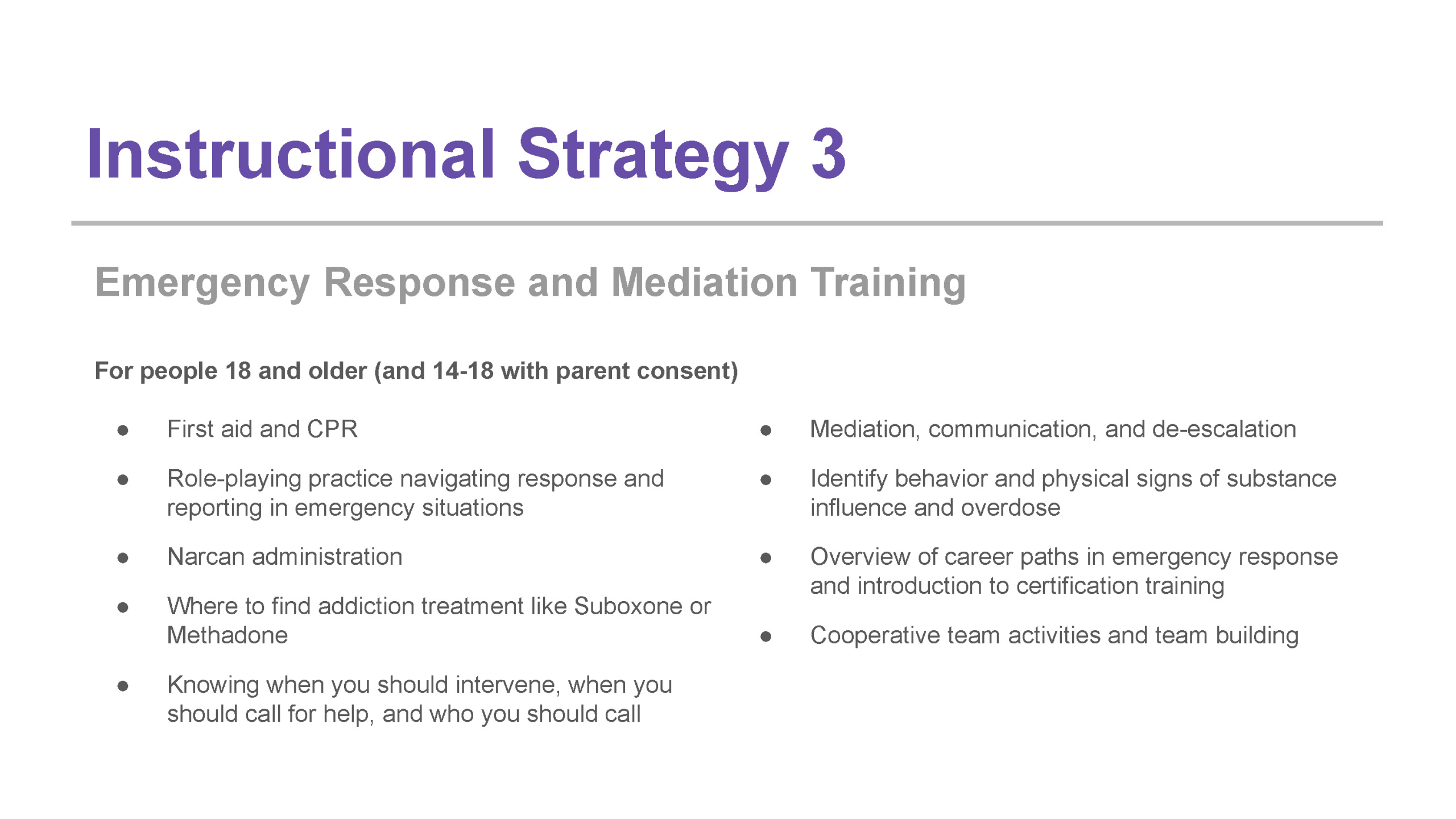
We will publicize and facilitate emergency response and mediation training for community members over 18 year old, and 14 to 18 with parent consent. Partnering with local EMT training services, we will offer periodic trainings on first aid, emergency assessment and response, who and when to call for help, overdose intervention, finding addiction treatment centers, and behavioral mediation.
This program will serve as an introduction to the EMT certification process and the local services that offer certification training. Training sessions will be interactive and cooperative, building community relationships and encouraging new connections and friendships.
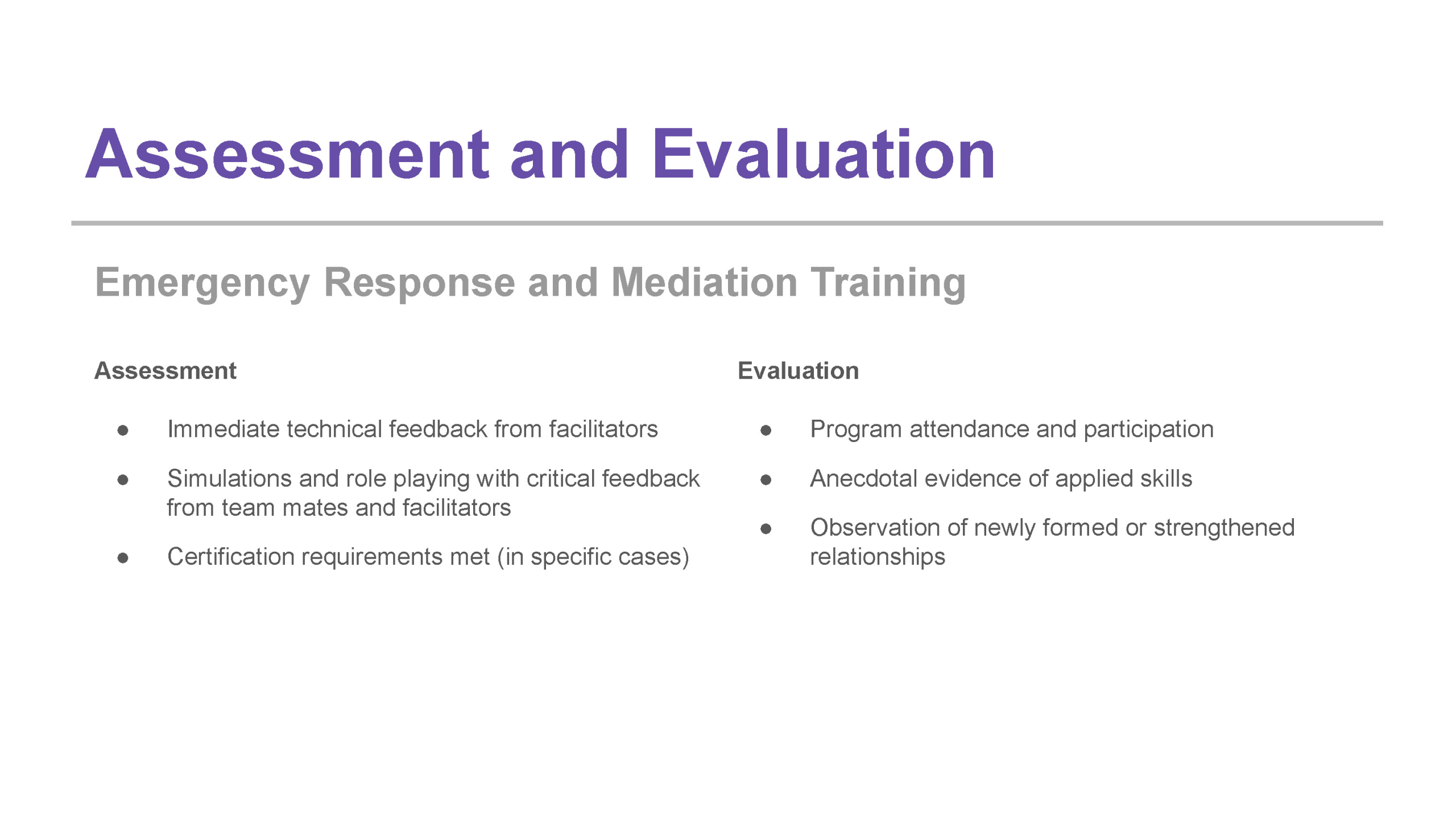
Student learning will be assessed during training sessions. While engaging in simulations and role playing, students will receive in the moment feedback from teammates and trainers. Should they choose to pursue a certification, such as CPR, students will be assessed by the standards of the issuing party.
The programming will be evaluated mostly through anecdotal evidence. We know what our objectives are and we will observe and gather stories of evidence that we’ve moved toward those objectives. We will compile this evidence – along with participation trends – and make this information available to community leaders and participants so that they can confirm or challenge our perception of the program’s outcomes.
The majority of migrant farmworkers are not authorized to work in the US and do not have access to mental health or substance use treatment services. The nature of their work as well as poor treatment of illegal immigrants, ethnic minorities, and non native English speakers in the U.S. causes a great deal of stress and feelings of isolation. The following passage was published in the Journal of Agromedicine in September of 2024:
“Numerous studies have established that the working environment, farm-related stress, and occupational injuries increase Hispanic/Latino farmworker’s risk of experiencing mental health problems when compared to other labor-intensive occupations. Work-related injuries are found to contribute to deaths from both opioids and suicides. Given that fatal occupational injuries remain highest for Hispanic/Latino workers, and suicide rates for foreign-born workers doubled from 2017 to 2018, in a non-pandemic year, the mental health of Hispanic/Latino workers is imperative to occupational health and safety efforts. As such, understanding the indirect effects of alcohol and drug use among Hispanic/Latino farming communities is imperative to mitigate the illness and injury burden among vulnerable worker populations.”
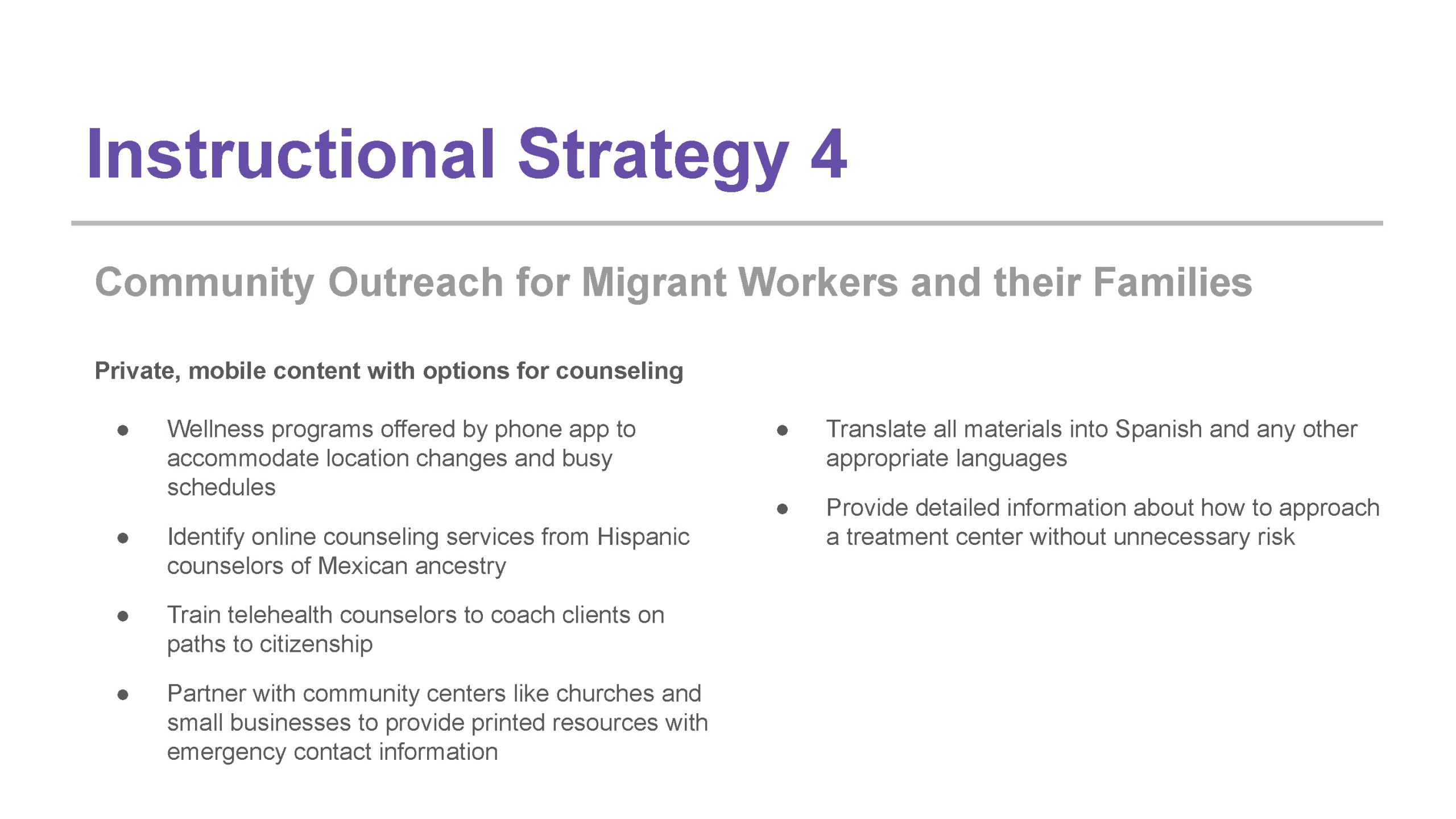
In many immigrant communities, mental health issues are highly stigmatized to the point that those in need do not seek or accept help. To account for this, we will offer E learning modules on personal wellness, stress management, community building, and addiction recovery via apps for smartphones. This way, users will be able to engage with content using their personal device at a time that is convenient for them. To offer more proactive assistance with a degree of anonymity and privacy, we will also provide a database of qualified, Spanish speaking, counselors that provide telehealth care.
There is high risk associated with self-identification as an illegal immigrant, so we will make no attempt to create any kind of document or record of user identities or locations. We will, however, provide training to our telehealth counselors around paths to citizenship and how to coach clients effectively through that process. With an already outsized incarcerated population, migrant workers face deportation, which separates them from their livelihood and their community. While addiction recovery treatment may be urgently needed, we anticipate that approaching a treatment center comes with a fear of imprisonment or deportation. As such, we will publish and distribute both health and wellness information and citizenship resources to non-clinical community centers like churches and small businesses that are frequented by migrant workers.
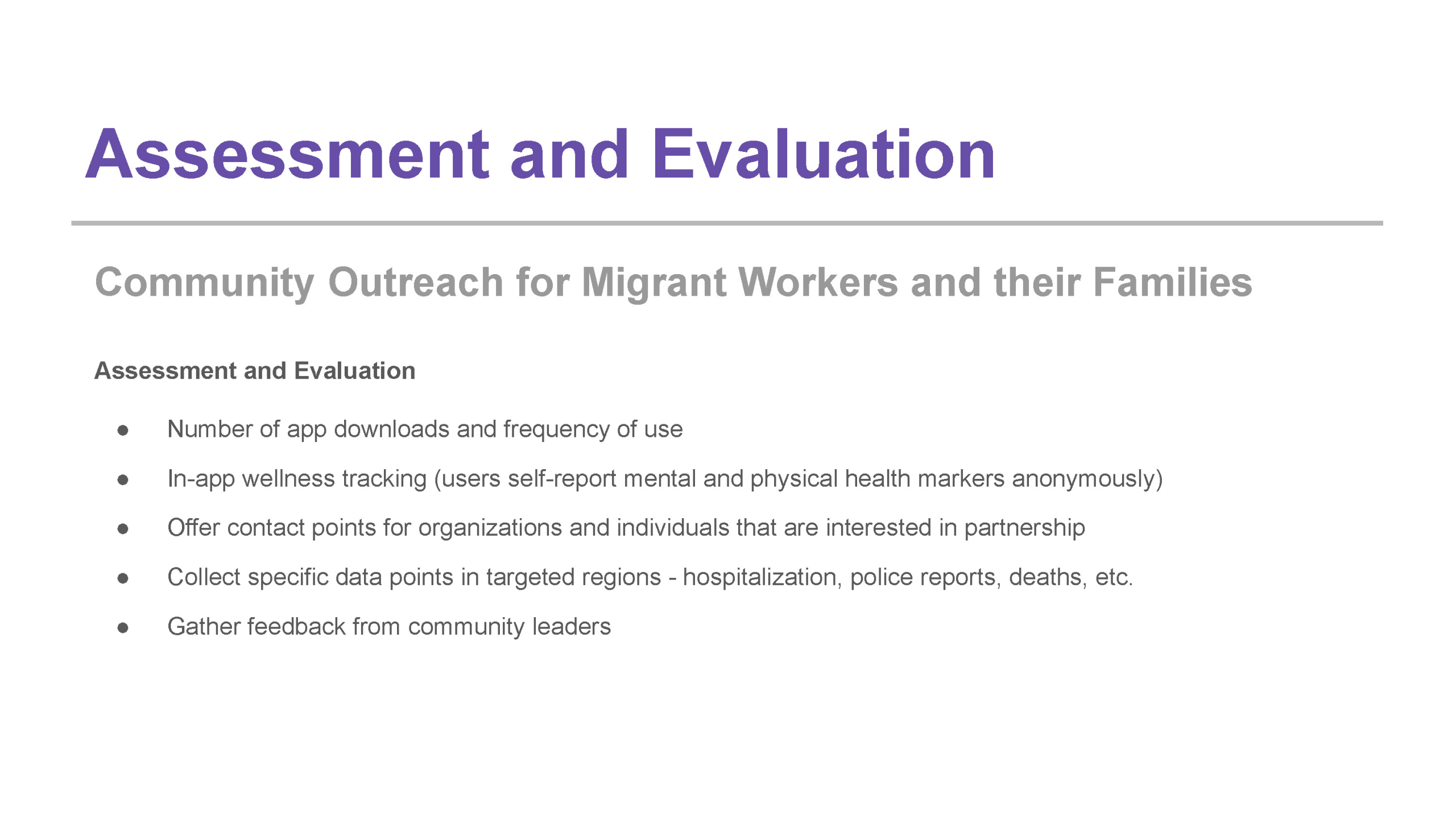
Due to the nature of this delivery method, assessment of student learning is not really separate from an evaluation of the training method itself. The performance indicators for the app itself are the number of app downloads and frequency of app use; and self-reporting on user wellness through daily in-app health journaling.
To mark the success of the program as a whole, we would rely on data from peripheral users like partner organizations, community leaders, and those willing to write reviews or send us direct correspondence. We would also reference outcome data like hospitalizations, police reports, deaths, and so forth.
We appreciate your interest in this project and hope for your continued support and thought partnership.
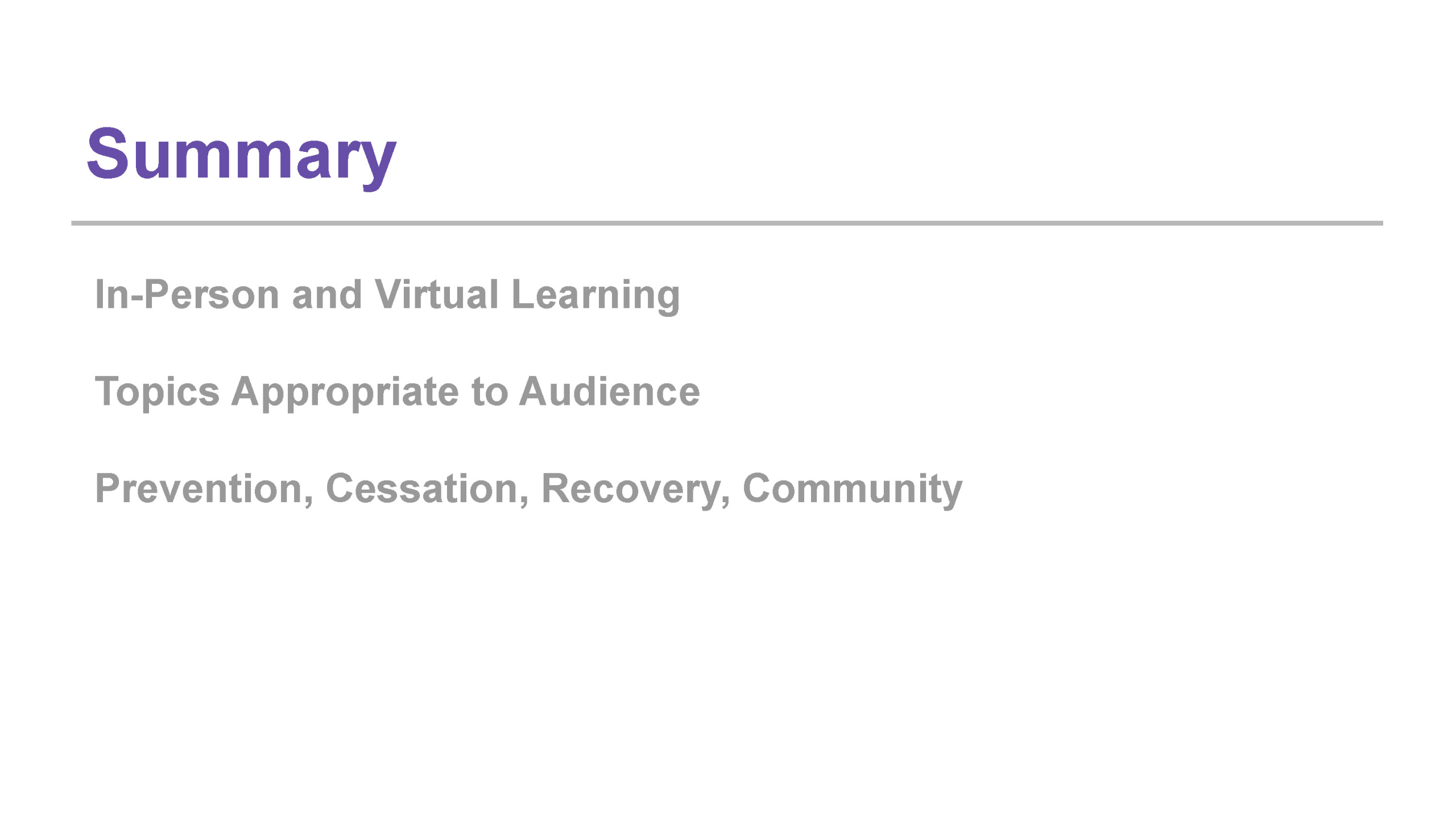
Though we expect this plan to evolve, grow, and pivot to the needs of our audiences, we believe that education and access are key to minimizing substance use in rural communities. We will offer learning opportunities through various media and with various outcomes based on our audience and their needs. We will center our users and speak to them directly on topics that are relevant to their personal journey and the journey of their community. This effort will undergo constant evaluation and refinement, but our guiding principles will keep our messaging and culture aligned. Our programming will touch on stages of substance abuse – prevention, cessation, recovery, and community – because everyone should have the support and resources they need to maintain healthy lives. Thank you.